Guide to PCB Assembly for Small Batch Production
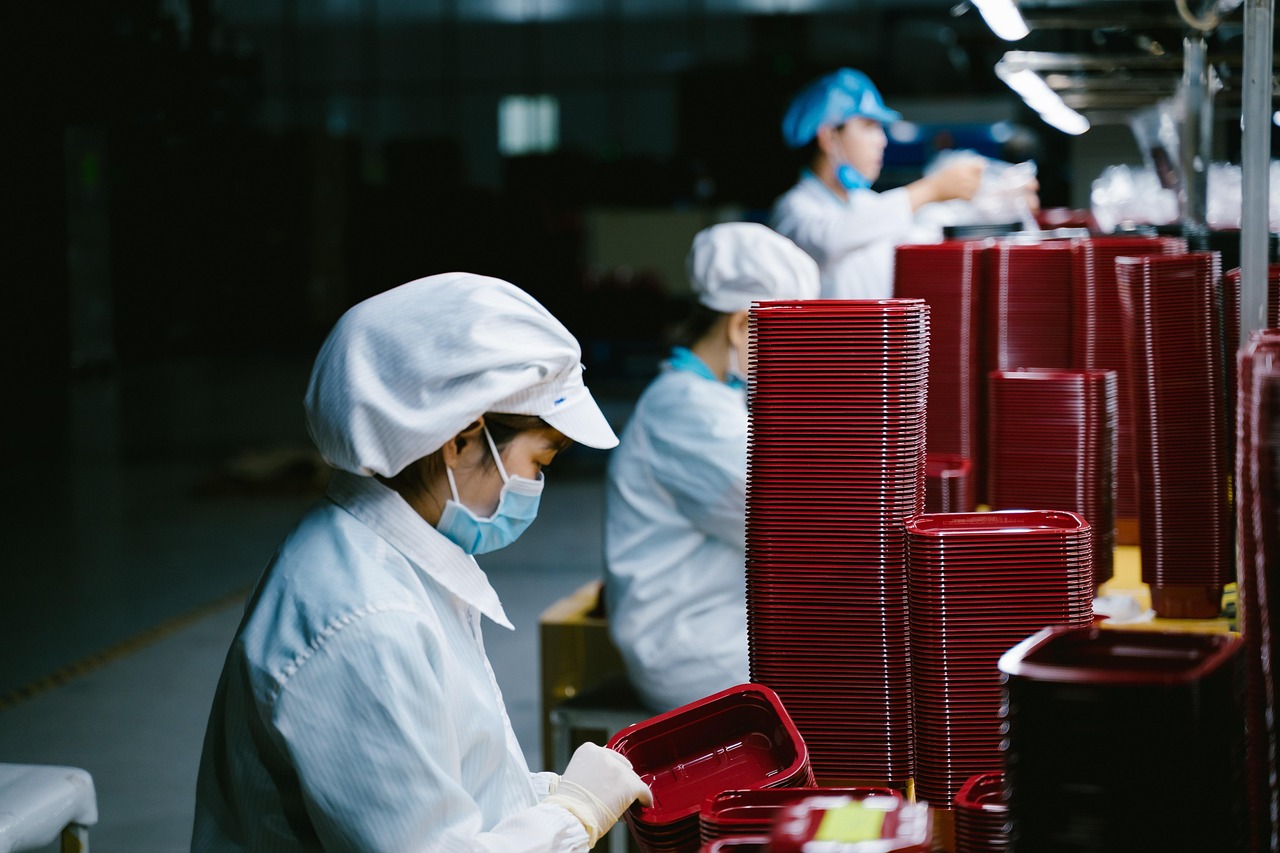
Small Batch Assembly Challenges
Small batch production (typically 1-1000 units) faces unique challenges including higher per-unit costs, setup fees, and limited supplier options.
Design for Small Batch
Optimize designs for small batch assembly by using standard components, simplifying assembly processes, and considering hand assembly for ultra-low volumes.
Component Sourcing
Source components from distributors offering small quantities. Avoid components with high MOQs or long lead times that don't justify small batch production.
Turnkey vs Consigned Assembly
Turnkey assembly (supplier purchases components) offers convenience but higher costs. Consigned assembly (you provide components) gives more control and potentially lower costs.
Stencil Considerations
For very small batches, consider reusable stencils or manual paste application. Laser-cut stainless steel stencils are economical for multiple batches.
Assembly House Selection
Choose assembly houses experienced with small batches. Look for low or no setup fees, quick turnaround, and willingness to work with small orders.
Cost Optimization Strategies
Minimize unique components, panel multiple designs together, and batch orders from multiple projects to achieve better pricing.
Quality Control
Even in small batches, maintain quality through AOI (Automated Optical Inspection), manual inspection, and functional testing of representative samples.
Scalability Planning
Design with future scaling in mind. Choices that work for 10 units should also work for 1000 units when production increases.
Conclusion
Small batch assembly is viable with proper planning, component selection, and manufacturer partnerships. Don't let small quantities prevent you from bringing products to market.
Share this article
Send Your Inquiry Today
We'll respond to your inquiry within 24 hours


