10 Essential PCB Design Tips for Beginners
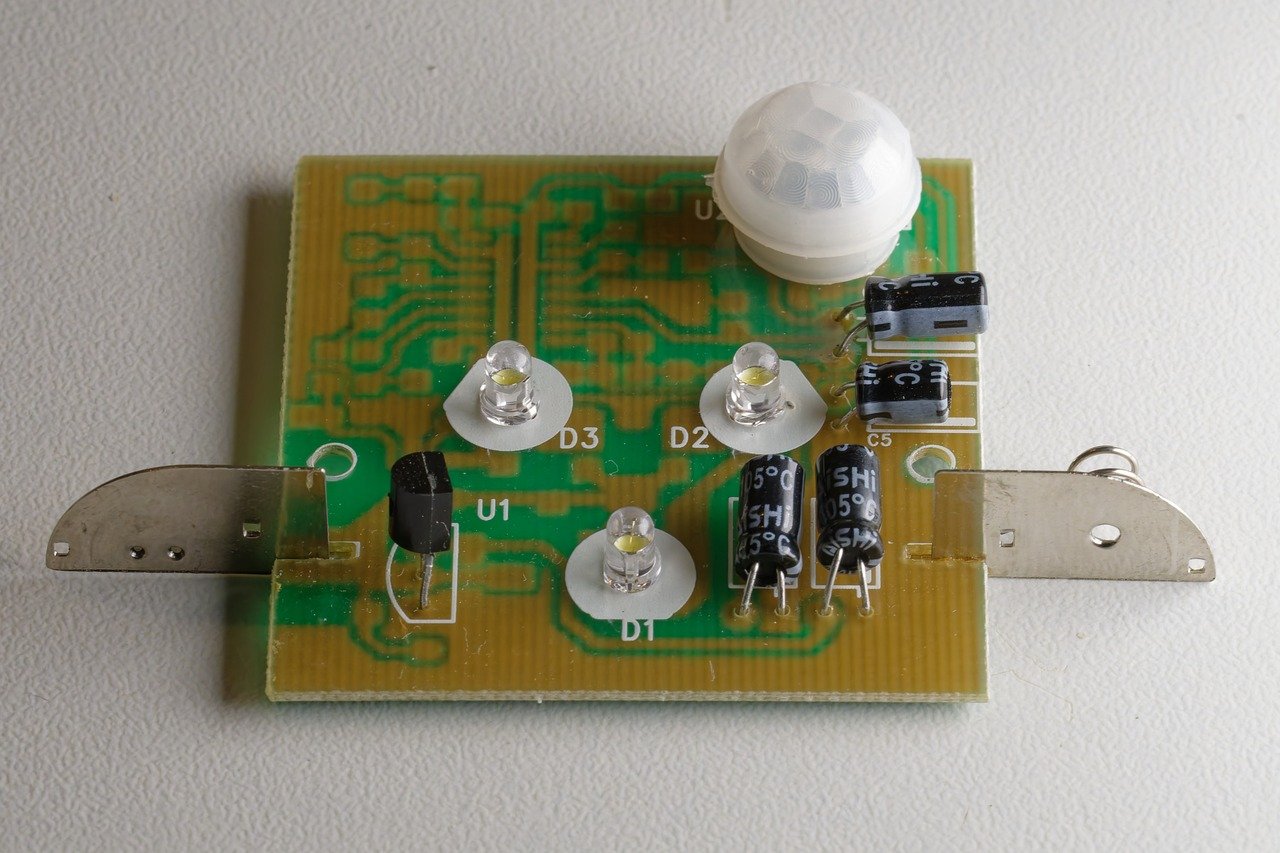
Introduction to PCB Design
Printed Circuit Board (PCB) design is a critical skill in modern electronics. Whether you're creating a simple hobby project or a complex commercial product, understanding the fundamentals of PCB design is essential.
1. Understand Your Design Requirements
Before starting your PCB layout, clearly define your project requirements including board size, layer count, and component specifications. This planning phase will save you significant time and effort later.
2. Choose the Right Component Footprints
Selecting accurate component footprints is crucial. Always verify footprints against manufacturer datasheets to avoid costly manufacturing errors.
3. Optimize Component Placement
Strategic component placement reduces trace lengths, minimizes interference, and improves signal integrity. Place high-frequency components close together and keep analog and digital sections separated.
4. Design Proper Ground Planes
A solid ground plane provides a low-impedance return path for signals and helps with EMI reduction. Use continuous ground planes whenever possible.
5. Follow Trace Width Guidelines
Calculate appropriate trace widths based on current requirements. Use online calculators to determine the correct width for your application.
6. Implement Design Rule Checking (DRC)
Always run DRC before finalizing your design. This catches spacing violations, clearance issues, and other potential manufacturing problems.
7. Consider Signal Integrity
For high-speed designs, pay attention to impedance control, signal termination, and length matching to ensure reliable signal transmission.
8. Plan for Thermal Management
Add thermal reliefs for through-hole components and consider copper pours for heat dissipation on power components.
9. Include Test Points
Add test points for critical signals to facilitate debugging and testing during development and production.
10. Document Your Design
Maintain proper documentation including schematics, BOM, assembly drawings, and design notes for future reference and manufacturing.
Conclusion
Following these essential PCB design tips will help you create more reliable, manufacturable boards. Remember that good PCB design comes with practice and continuous learning.
Share this article
Send Your Inquiry Today
We'll respond to your inquiry within 24 hours